
Yum
Patch Management
Alternative Vendors


Commercial Alternatives


Key Features
Automatic Dependency Resolution
Automatically resolves and installs package dependencies, preventing dependency conflicts and ensuring all required packages are properly installed and configured.
Repository Management
Pulls packages from multiple configured repositories (base, updates, EPEL and third-party) and verifies GPG signatures.
System-Wide Package Operations
Installs, updates, removes and upgrades packages, keeps a transaction history and can undo transactions with yum history undo.
Plugin Architecture
Python plugins add features such as security-only updates, repository priorities and fastest-mirror selection.
Package groups
Installs and removes predefined groups of packages, such as "Development Tools", in one command.
Pros and Cons
Pros
Robust Dependency Management
Excellent automatic dependency resolution prevents broken packages and ensures system stability during software installations and updates
Proven on RHEL 7 and CentOS 7
Was the standard package manager of RHEL and CentOS through version 7, so its behaviour on those systems is well documented.
Extensive Package Ecosystem
Access to vast repositories including EPEL, RPMFusion, and vendor-specific repositories with thousands of pre-compiled packages
Security Features
Built-in GPG signature verification and security-only update capabilities ensure package integrity and system security
Free and open source
Released under the GPL and included with RPM-based distributions at no cost.
Cons
Performance Limitations
Slower than DNF on large repository metadata and complex dependency solving.
Limited to RPM Ecosystem
Only works with RPM-based distributions, limiting portability compared to universal package managers
Deprecated: replaced by DNF
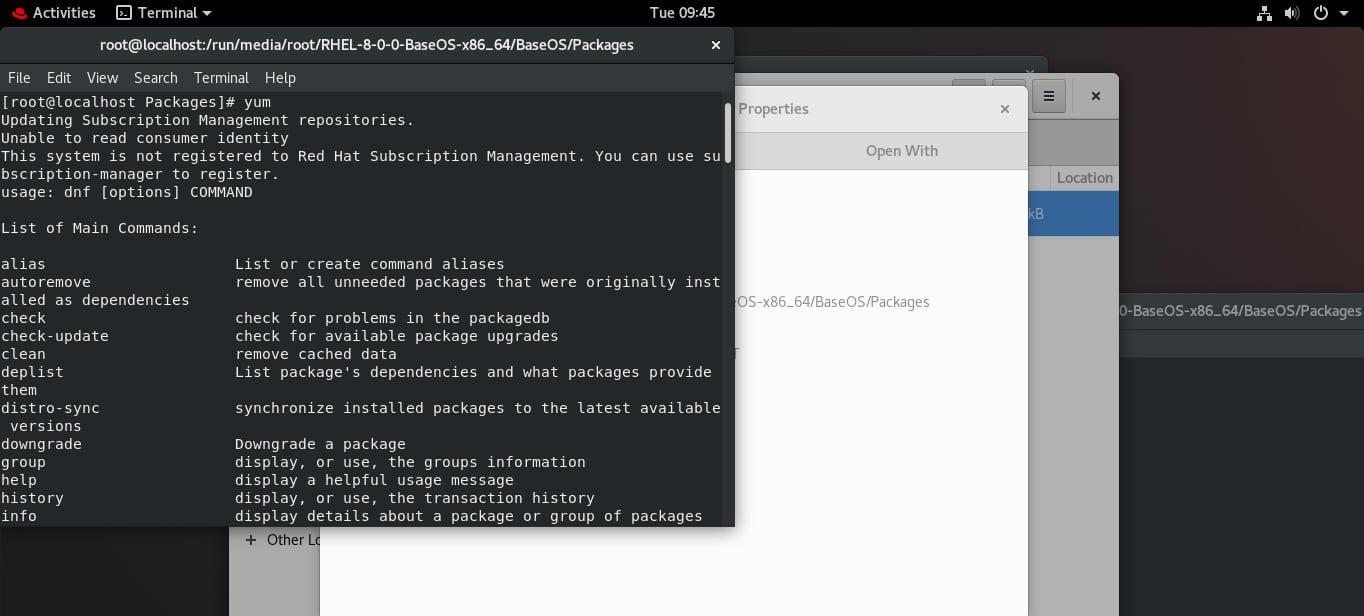
Original yum is deprecated and its upstream repository is archived; RHEL 8 and later, Fedora 22 and later use DNF, with yum kept only as an alias.
No central management
Patches one machine at a time; reporting and fleet-wide patching need another tool.
Legacy platforms only
Only relevant on RHEL 7 / CentOS 7, which are past end of maintenance.
Feature Comparison
Comments
No reviews yet. Be the first to share your experience with Yum.
Frequently Asked Questions
/vendor/yum