
Red Hat Ansible
Automation and Scripting


Key Features
Agentless Architecture
Deploys and manages infrastructure without requiring agents on target systems, using SSH and native protocols to reduce complexity and security overhead.
Event-Driven Automation
Automatically responds to events and triggers across your IT environment with Event-Driven Ansible, enabling proactive automation and faster incident response.
Ansible Lightspeed Intelligent Assistant
Generative AI assistant in Ansible Automation Platform that answers questions and helps write automation content; code generation is also available with IBM watsonx Code Assistant
Certified Content Collections
Access to certified and validated content collections for major platforms and clouds, maintained by Red Hat and partners and served from private automation hub
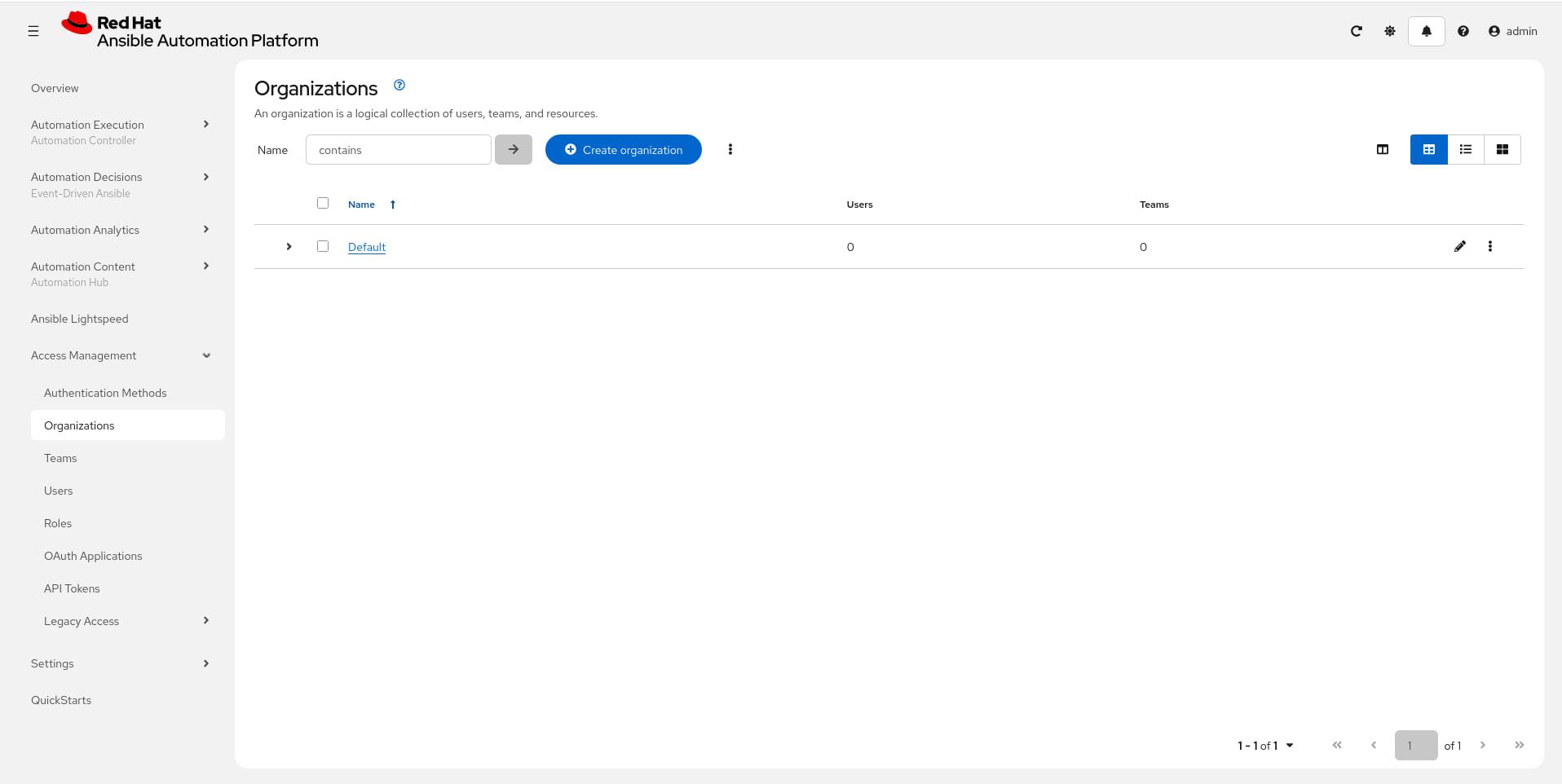
Automation Controller (Web UI and API)
Central web interface and REST API to schedule playbooks, store credentials, manage inventories and control access by organization and team
Automation Dashboard
Reports job counts, hosts automated and estimated time and cost saved (added in AAP 2.6)
Pros and Cons
Pros
Free Open-Source Core
ansible-core is GPLv3 and can be used without a subscription for command-line automation
Event-Driven Remediation
Event-Driven Ansible can run fixes automatically when monitoring tools raise alerts
Organizations and RBAC
Organizations, teams and roles let one controller separate access to different clients' inventories and credentials
Widely Adopted Automation Engine
Large open-source community, extensive documentation and thousands of modules and collections covering most infrastructure an MSP manages
Agentless and Simple
No agent installation required on managed nodes, uses existing SSH infrastructure, and employs human-readable YAML syntax making it accessible to both developers and operations teams.
Cons
AWX Releases Paused
The free upstream web UI (AWX) has had no release since July 2024 while it is refactored, leaving no maintained free GUI
Not an RMM
No endpoint agent, remote control, alerting console or PSA ticketing integration out of the box; it complements rather than replaces an RMM
No Published Pricing
Ansible Automation Platform is quote-based and priced per managed node, so costs grow with every client device an MSP automates; Red Hat publishes no list prices
Learning Curve for Advanced Features
While basic automation is straightforward, mastering advanced features like complex playbooks, custom modules, and enterprise-grade workflows requires significant time investment.
Feature Comparison
Comments

Roman Khutornyi • My MSP
Jan 30, 2025
Tower/AWX adds value
Ansible Tower (now AWX) provides the enterprise features we needed. RBAC, scheduling, and the web interface are essential for our team.
Roman Khutornyi • My MSP
Jan 30, 2025
Vault for secrets management
Ansible Vault has solved our secrets management challenges. Encrypted variables in playbooks keep sensitive data secure.
Frequently Asked Questions
/vendor/red-hat-ansible-automation-platform