Flamingo Raises $4.5M to Get MSPs Out of the Ticket Queue · Our seed round, led by Vertex Ventures, funds OpenFrame: open-source tools plus AI agents that answer tickets with technician oversight.
.png?width=128&height=128&resize=contain&quality=85)
OPNsense
Network Management and Monitoring
Alternative Vendors


Commercial Alternatives


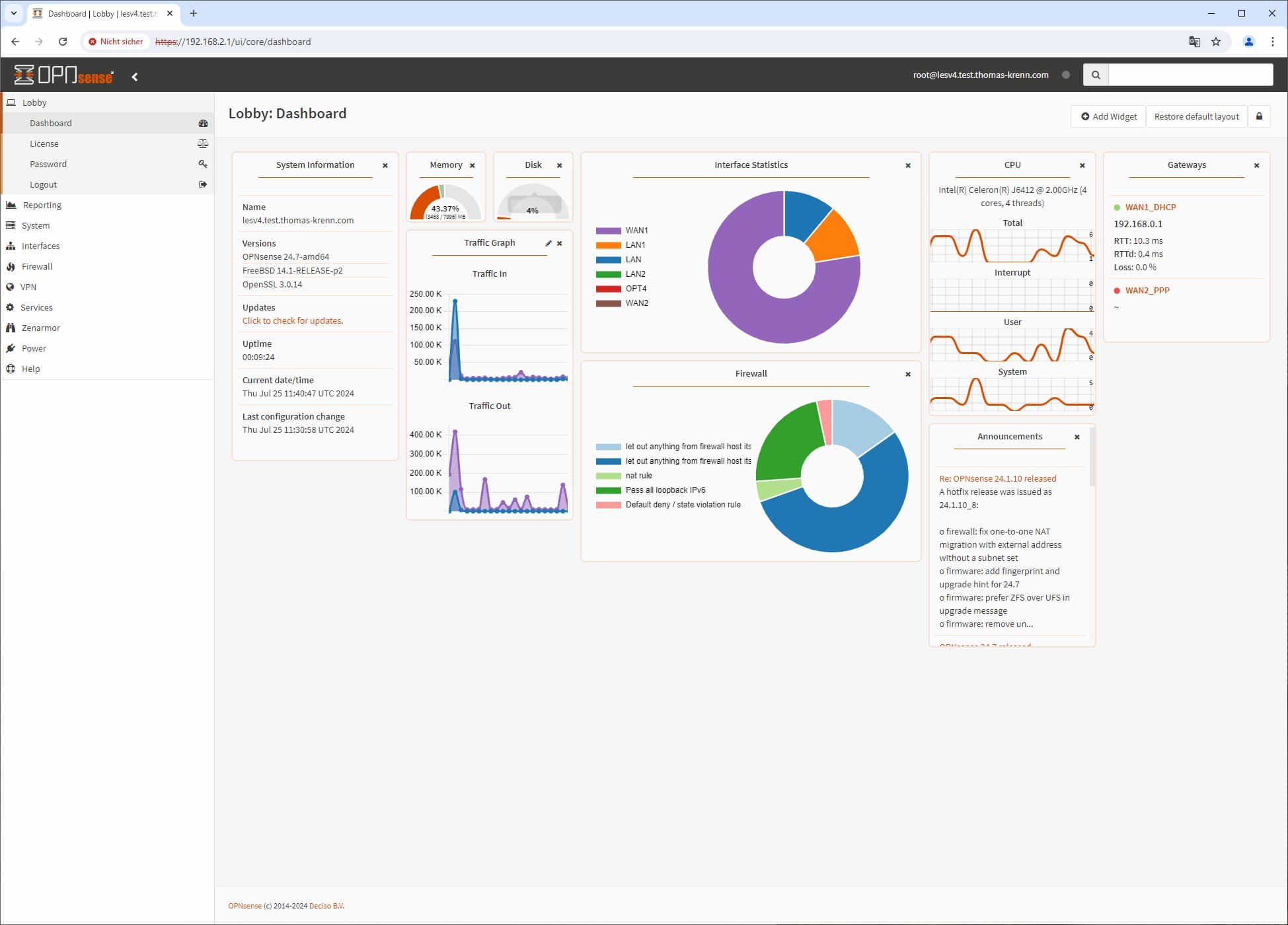
Key Features
Intrusion Detection & Prevention
Built-in IDS/IPS powered by Suricata with real-time threat detection and inline blocking capabilities
Comprehensive VPN Support
Native support for IPsec, OpenVPN, and WireGuard VPN protocols for secure remote access and site-to-site connectivity
Two-Factor Authentication
Native 2FA support for enhanced administrative security and access control
Traffic Shaping & QoS
Advanced traffic shaping and Quality of Service features for bandwidth management and network optimization
High Availability Clustering
Built-in HA with CARP (Common Address Redundancy Protocol) for automatic failover and state synchronization
Extensive Plugin Architecture
Rich plugin ecosystem for extending functionality including Zenarmor NGFW, Nginx, HAProxy, and more
Pros and Cons
Pros
Strong Security Focus
Weekly security updates, built-in IDS/IPS with Suricata, transparent security audits, and commitment to security best practices
Modern User Interface
Intuitive Bootstrap-based web interface with MVC framework, offering better usability and user experience than legacy alternatives
Active Development & Community
Frequent updates with bi-annual major releases, transparent development process, and 300,000+ community members worldwide
True Open Source Freedom
BSD 2-Clause license with no vendor lock-in, no proprietary dependencies, and freedom to fork and customize
No Licensing Costs
Completely free Community Edition with all core features - no per-seat, per-device, or subscription fees required
Cons
Smaller Market Share
Smaller user base compared to pfSense, which may affect third-party integration availability and community resources
Learning Curve Required
Requires solid networking knowledge and FreeBSD familiarity for advanced configurations and troubleshooting
Hardware Requirements
Performance and throughput depend on proper hardware sizing - underpowered hardware can bottleneck network performance
Commercial Support Limited
Official commercial support primarily through Deciso and select partners - fewer support options than enterprise vendors
Migration Complexity
Migrating from pfSense or other firewalls requires careful planning due to configuration differences
Feature Comparison
Comments
No reviews yet. Be the first to share your experience with OPNsense.