Flamingo Raises $4.5M to Get MSPs Out of the Ticket Queue · Our seed round, led by Vertex Ventures, funds OpenFrame: open-source tools plus AI agents that answer tickets with technician oversight.
Cisco Meraki
Network Management and Monitoring
Alternative Vendors


Commercial Alternatives


Key Features
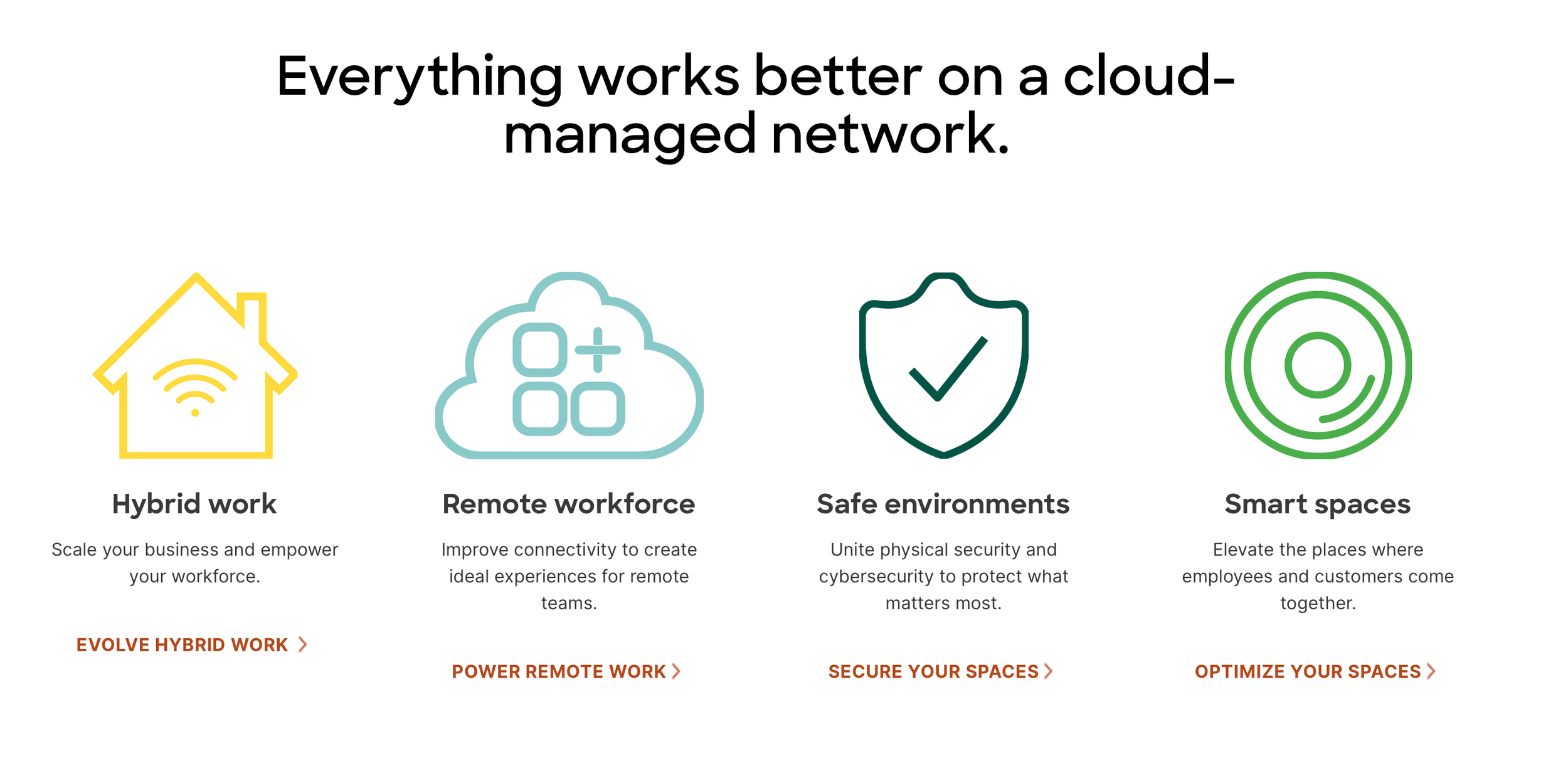
Cloud-Managed Dashboard
Centralized web-based management interface accessible from anywhere, enabling complete control of all network devices across multiple locations through a single pane of glass
Zero-Touch Provisioning
Automatic device configuration and deployment without requiring on-site technical intervention - simply plug in and devices auto-connect to the Meraki cloud
Out-of-Band Architecture
Management data separated from user traffic - network stays operational even if cloud connection is lost, with policies continuing to enforce
MSP-Optimized Features
Purpose-built MSP portal for managing multiple customer organizations with custom branding, support ticketing, and centralized licensing management
Comprehensive Security Suite
Integrated Layer 7 firewall, content filtering, IDS/IPS (SNORT-based), Advanced Malware Protection, and automatic security updates
AI-Powered Insights
Network-wide visibility with Cisco AI Assistant for automated troubleshooting, application-level analytics, and predictive issue resolution
Pros and Cons
Pros
Intuitive Management
Browser-based dashboard is exceptionally easy to use, requiring minimal training and enabling remote management from any location with internet access
Rapid Deployment
Zero-touch provisioning enables deployment of hundreds of sites without on-site technical staff, dramatically reducing deployment time and costs
Enterprise-Grade Reliability
Multiple geographically redundant datacenters with 99.99% uptime SLA, automatic failover, and continuous operation even if cloud connection is lost
Automatic Updates
Firmware and security updates pushed automatically during maintenance windows, eliminating manual update procedures and reducing security vulnerabilities
MSP-Focused Features
Purpose-built tools for service providers including multi-organization management, custom branding, and centralized support ticketing
Cons
Annual Licensing Costs
Subscription-based licensing model requires annual renewal fees in addition to hardware costs, which can be expensive for large deployments
Cloud Dependency for Management
Dashboard access requires internet connectivity; while network continues functioning during outages, configuration changes and monitoring are unavailable
Limited Advanced Customization
Cloud-managed approach provides less granular configuration control compared to traditional CLI-based solutions, which may limit advanced use cases
Vendor Lock-In
Licenses are device-specific and non-transferable; switching to another vendor requires replacing both hardware and licenses
Feature Licensing Tiers
Advanced features like enhanced security or SD-WAN Plus require higher-tier licenses, increasing costs beyond base Enterprise tier
Feature Comparison
Comments
No reviews yet. Be the first to share your experience with Cisco Meraki.