
CAS
Identity and Access Management (IAM)
Alternative Vendors


Commercial Alternatives


Key Features
Multi-Protocol SSO and Identity Provider
Implements CAS v1 to v3, SAML 1.1 and 2.0, OAuth 2.0, OpenID Connect and WS-Federation
Many Authentication Sources and Delegation
Authenticates against LDAP/AD, databases, X.509, SPNEGO, RADIUS and more, and can delegate login to external SAML, OIDC and social identity providers
High Availability Clustering
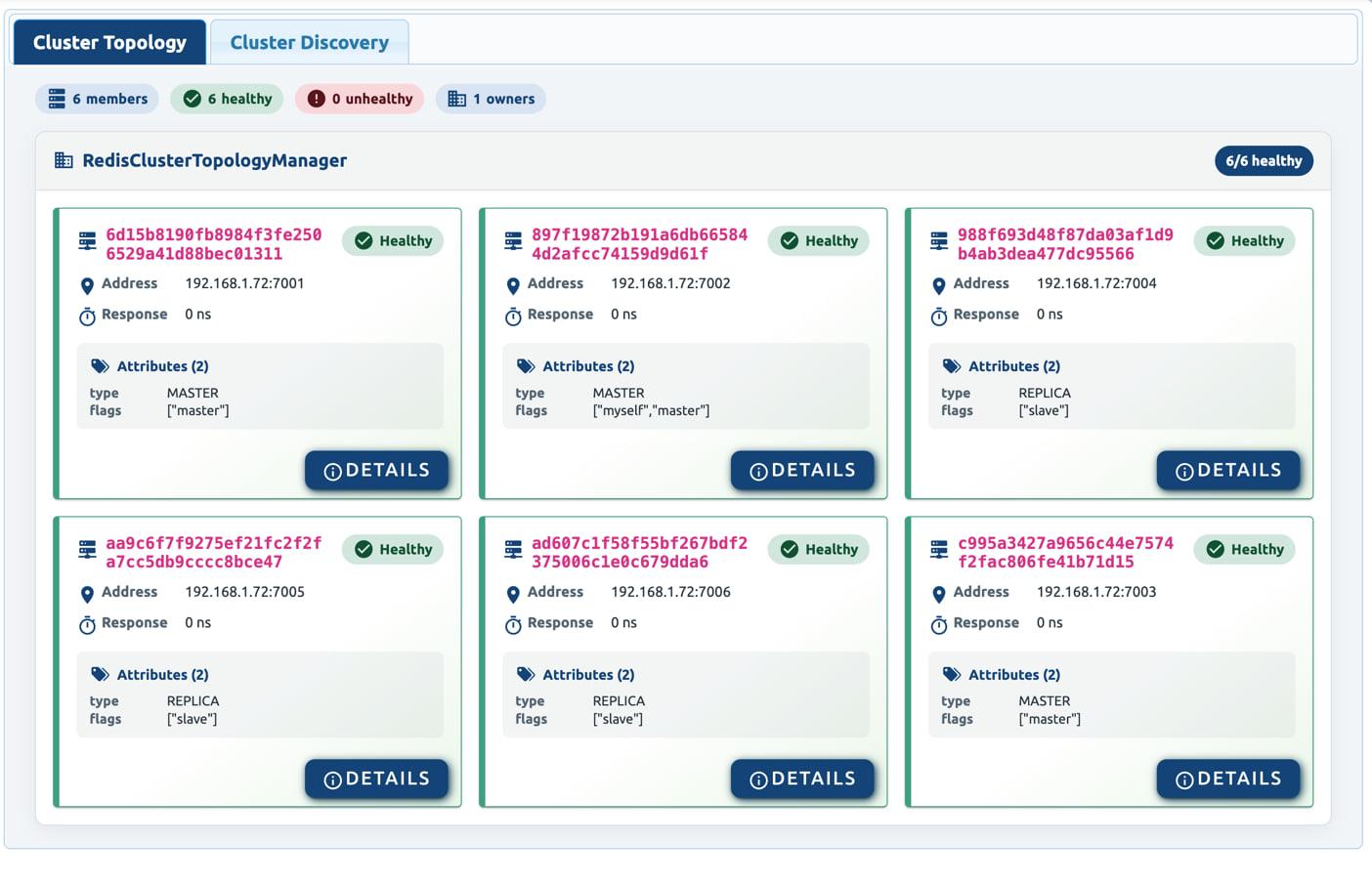
Clustered deployments with ticket registries such as Redis, Hazelcast, JPA, MongoDB and DynamoDB
Multi-Factor Authentication
MFA with Duo, TOTP (Google Authenticator), YubiKey, FIDO2 WebAuthn and other providers, plus adaptive and risk-based triggers
Passwordless and Risk-Based Authentication
Passwordless login flows and risk-based authentication that reacts to unusual sign-in behavior
Multitenancy
Tenant definitions that let one CAS deployment serve separate tenants with their own settings
Pros and Cons
Pros
Open Source and Free
Free open source software under Apache 2.0, governed by the Apereo Foundation
Extensive Protocol Support
Supports virtually all modern authentication protocols including SAML, OAuth, OpenID Connect, and legacy systems
Proven at Scale
Long history of large deployments, especially in higher education, with clustering and high availability options
Very Active Project
Frequent releases, with the 8.0 line out and 8.1 release candidates in 2026
Built-in MFA and Passwordless
MFA providers, WebAuthn, passwordless and risk-based authentication without extra licensing
Cons
Complex Configuration
Requires significant technical expertise to configure and deploy properly, especially for advanced features
Commercial Support via Affiliates
Support comes from Apereo commercial affiliates such as Unicon rather than from a single vendor
Java Overlay Build Model
Customization and upgrades are done through a Gradle overlay project, which needs Java developers
No Hosted Option
No official SaaS; you run and patch the servers yourself
Feature Comparison
Comments
No reviews yet. Be the first to share your experience with CAS.
Frequently Asked Questions
/vendor/cas