
OpenZiti
Zero Trust Network Access (ZTNA)


Commercial Alternatives


Key Features
Zero trust overlay network
Controller and edge routers form an encrypted mesh; access is granted per service by policy, not by network location.
Dark services, no inbound ports
Hosted services make outbound connections only, so nothing is exposed to scanning from the internet.
Tunnelers for every major OS
Ziti Desktop Edge for Windows and macOS, a Linux tunneler, and mobile apps for iOS and Android.
Application-embedded SDKs
SDKs for Go, C, Java, Python, Node.js, .NET and more let apps join the overlay directly without an agent.
Strong identity and posture checks
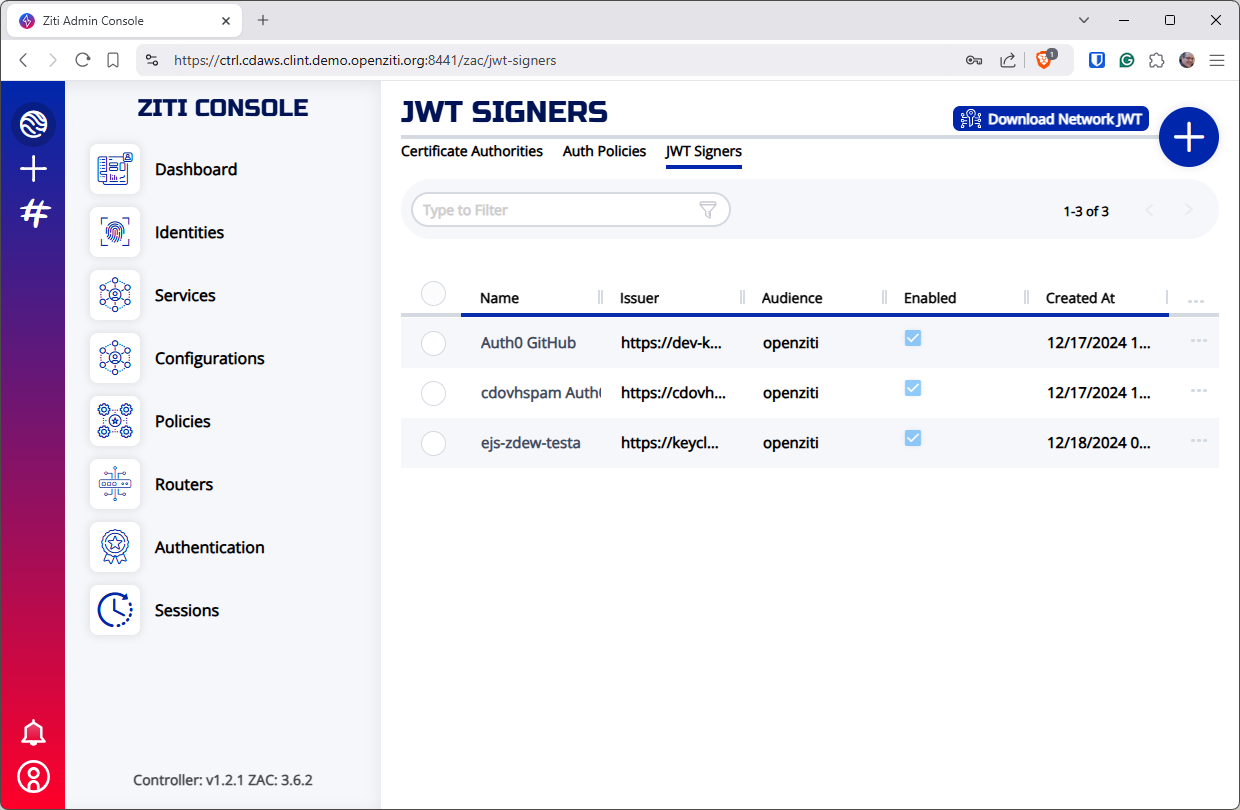
Certificate-based identities, external JWT signers for OIDC providers, TOTP MFA and device posture checks.
Private authenticated DNS
Services are addressed by intercepted DNS names that resolve only for authorized identities.
Pros and Cons
Pros
Apache 2.0 open source
Free to self-host with no feature gates in the open source project.
No inbound firewall rules
Customer sites connect outbound only, which simplifies reaching remote networks.
Very active development
Frequent releases; OpenZiti 2.0 shipped in 2026.
Embeddable in applications
SDKs let software vendors build zero trust connectivity into their own products.
Commercial option available
NetFoundry offers a hosted service with SLAs and support for self-hosted deployments.
Cons
Networking knowledge required
Designing routers, services and policies has a steeper learning curve than turnkey ZTNA tools.
You operate the infrastructure
Self-hosting means running and upgrading the controller and edge routers yourself.
Community-only support when self-hosted
Without a NetFoundry contract, help comes from the community forum.
Feature Comparison
Comments
No reviews yet. Be the first to share your experience with OpenZiti.
Frequently Asked Questions
/vendor/openziti